A Gentle, Step-by-Step Method to Help Your Cat Accept Handling
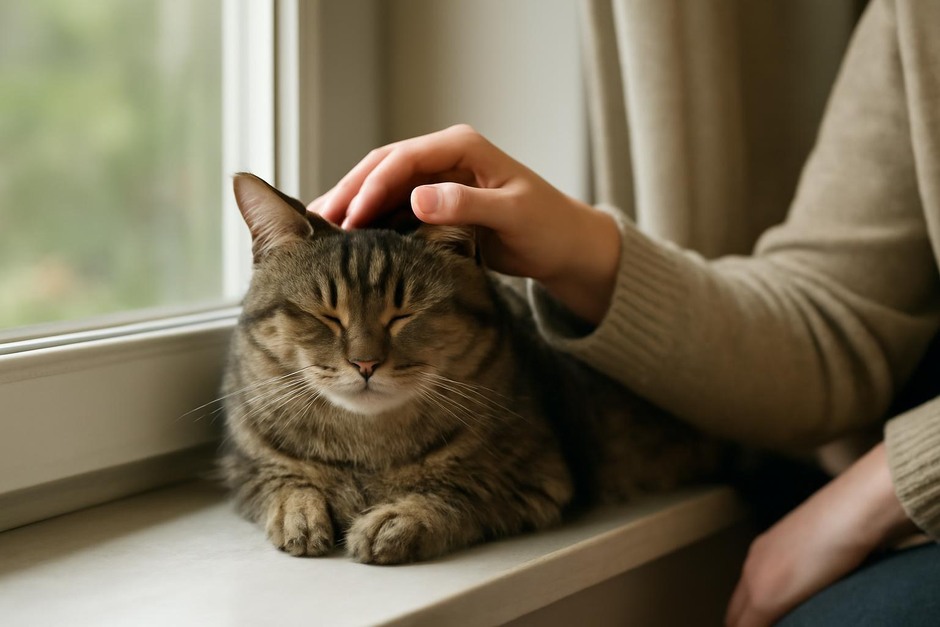
Helping a cat accept gentle handling isn’t about forcing compliance; it’s about building trust through predictable cues, short positive interactions, and careful pacing. This method connects three simple principles—consent, predictability, and reward—with small, repeatable steps you can do every day. Below is a clear step-by-step routine, followed by practical variations and troubleshooting tips.
Step-by-step method
-
Set the stage (5 minutes). Choose a quiet spot where your cat already likes to rest. Sit at their level so you’re not looming—on the floor or a low chair. Offer a small, highly valued treat (dry kibble, a tiny bit of cooked chicken, or a favorite treat) and wait until your cat takes it calmly.
-
Introduce a neutral cue (2–3 seconds). Softly say a short, consistent cue such as « touch » or use a gentle clicker sound. Immediately offer a treat without reaching to touch. This pairs the cue with something pleasant and predictable.
-
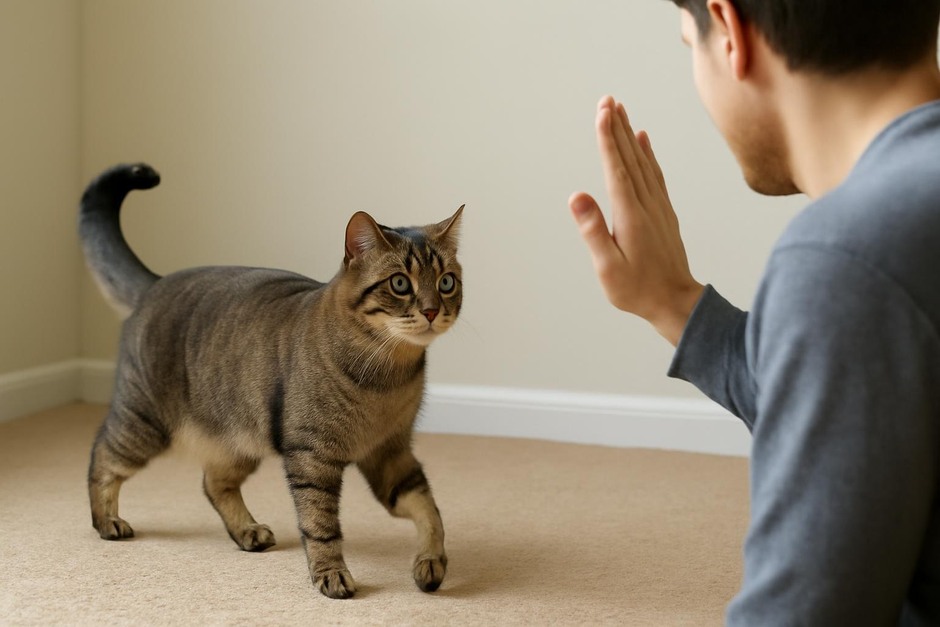
Targeting with the hand (5–10 seconds). Present the back of your relaxed hand about 10–15 cm from the cat’s face. If they sniff or touch your hand, mark the moment with your cue and give a treat. Repeat this until the cat approaches your hand reliably for a treat. Example: three successful approaches in a row is a reasonable micro-goal.
-
Gradual contact (5–15 seconds). Once the cat willingly touches your hand, allow a single, light caress on the cheeks or under the chin—areas most cats prefer. Immediately stop, mark with your cue, and give a treat. Keep the contact brief and always end on a positive note.
-
Extend duration in tiny increments (sessions of 1–3 minutes). Over several short sessions, lengthen the petting by a few seconds each time. If your cat tenses, stops purring, or moves away, withdraw to the previous level of contact and reward that. Example progression: 2s → 5s → 8s → 12s across different sessions.
-
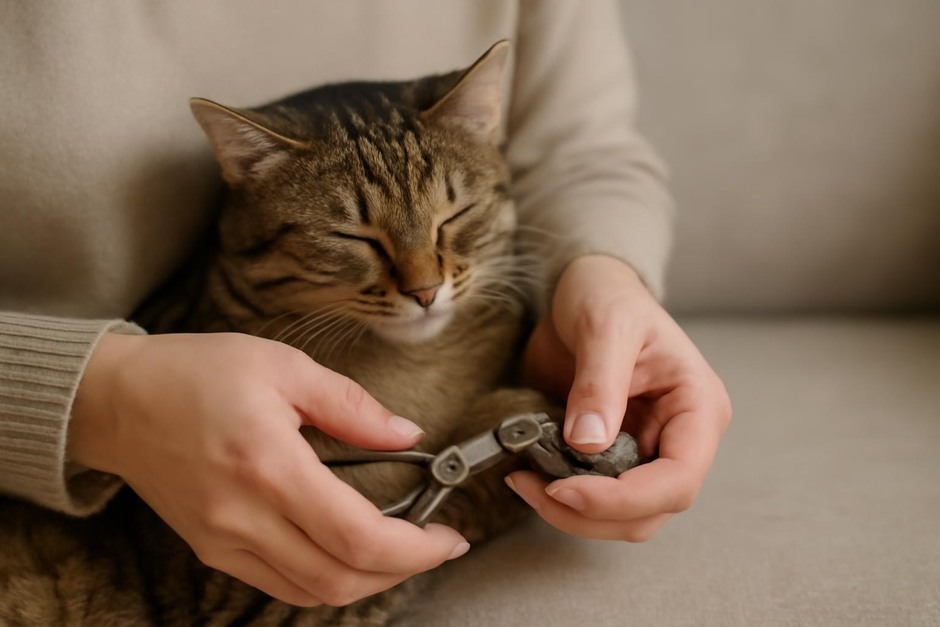
Add gentle handling actions (15–30 seconds). After consistent acceptance of longer strokes, introduce simple handling tasks: lift a paw for a second, briefly hold the scruff loosely (if the cat tolerates it), or gently open a paw pad. Each new action is preceded by the same cue and followed immediately by a treat. Only increase complexity when the cat is relaxed.
-
Generalize across places and people. Practice the same short, predictable sessions in another room and, if appropriate, with a trusted household member who follows your cues and timing. Consistency of cue, tone, and immediate reward is what transfers comfort from one context to another.
Small examples that illustrate the principles
- Consent: let the cat move away at any point; reward earlier success rather than punishing retreat.
- Predictability: use the same cue and rhythm so the cat learns what to expect.
- Reward: reinforce correct behaviors (approach, tolerate touch) rather than focusing on correcting avoidance.
Variations
- For shy or fearful cats: Increase the number of neutral cue–treat pairings before attempting physical contact. Sometimes 10–20 non-contact pairings in a session build much faster trust. Use higher-value treats and allow the cat to approach on their terms.
- For kittens: Shorter, more frequent sessions (3–5 minutes, 3–5 times a day) help them form positive associations quickly. Keep handling playful and end sessions with a quick game to build positive context.
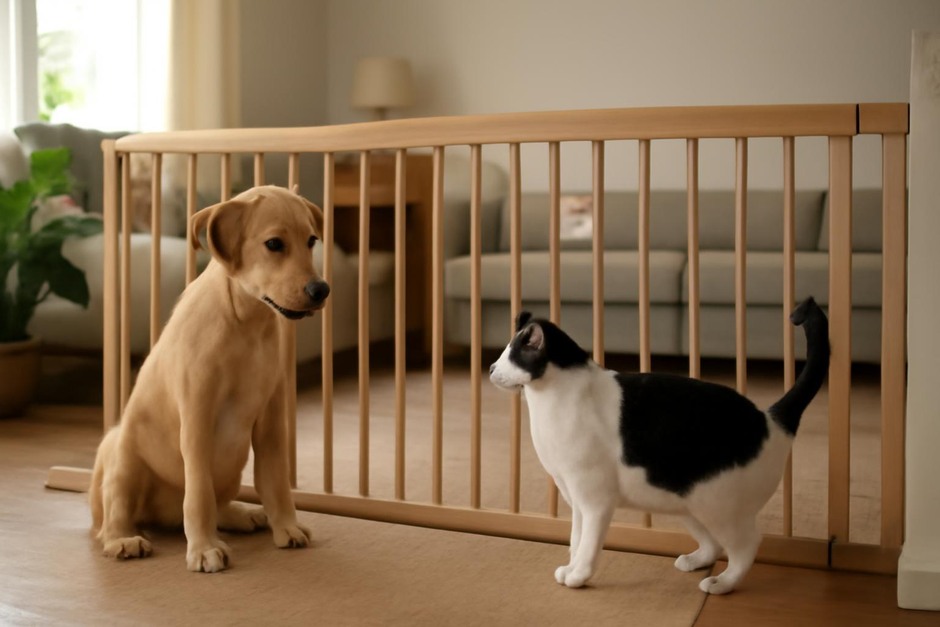
- For multi-cat households: Work with one cat at a time in a neutral space to avoid competition. If other cats interrupt, pause and resume later; avoid forcing group sessions unless all cats are comfortable.
- Simulated vet handling: Once the cat accepts brief paw lifts and gentle restraint, practice short mock exams: weigh the cat on a scale, gently hold them for 3–5 seconds, and reward. This helps them associate handling with positive outcomes before actual vet visits.
Troubleshooting
-
Problem: Cat freezes or tenses.
Likely cause: too much contact or speed. Solution: step back one level—return to hand-presenting and cue–treat pairings until the cat relaxes again.
-
Problem: Cat swats or vocalizes.
Likely cause: clear discomfort. Stop contact immediately and give space. Later, resume at a lower intensity and reward small calm behaviors. Never punish; punishment erodes trust.
-
Problem: Progress stalls.
Likely cause: inconsistent timing or low-value rewards. Make sessions shorter and more positive; use tastier treats briefly to re-motivate. Record what worked (time of day, location, treat type) and repeat it.
-
Problem: Cat accepts in one room but not another.
Likely cause: context-specific associations. Generalize by repeating the same cue–treat routine in the new room without increasing handling complexity until the cat is comfortable.
With patience and small, predictable steps, most cats can learn to accept—and sometimes enjoy—gentle handling. The keys are to respect their limits, make interactions clearly rewarding, and keep sessions short and consistent. Over time those tiny, daily interactions add up into a calmer, more cooperative relationship.